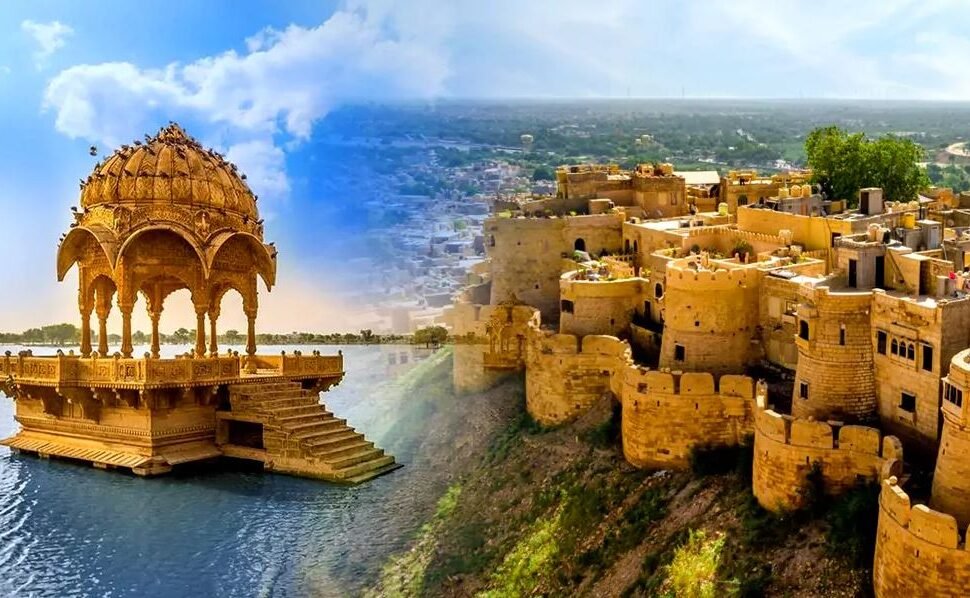
Jaipur, the capital of Rajasthan, is more than a beautiful travel destination—it is a city born out of planning, vision, and royal ambition. Known across the world as the Pink City, Jaipur’s history reflects the brilliance of Rajput architecture, ancient Indian science, and a deep cultural heritage that still shapes the city today.
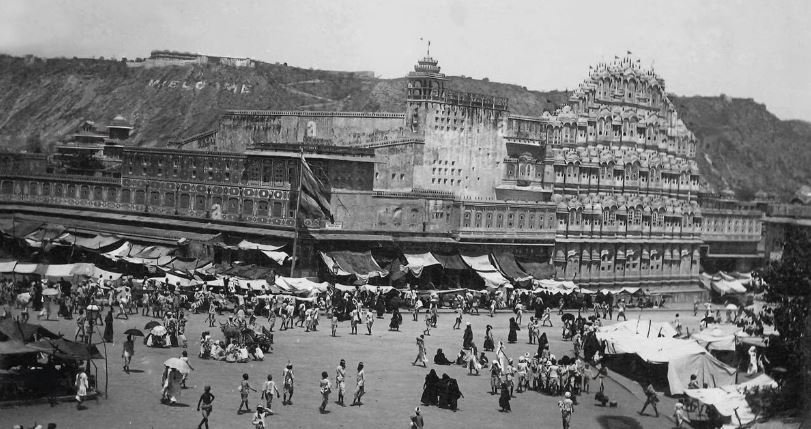
Foundation of Jaipur: A Planned Royal Capital
The history of Jaipur begins in 1727, when Maharaja Sawai Jai Singh II, the ruler of Amber, decided to establish a new capital. Amber Fort, though majestic, faced challenges such as limited space and water scarcity. Jai Singh II envisioned a city that would be modern, well-planned, and capable of supporting a growing population.
Jaipur became one of India’s first planned cities, designed based on the principles of Vastu Shastra and Shilpa Shastra. The city was laid out in a grid pattern with wide roads, organized markets, residential zones, and fortified walls with seven grand gates—an urban concept far ahead of its time.
Role of Vidyadhar Bhattacharya
The architectural brilliance of Jaipur is credited to Vidyadhar Bhattacharya, a renowned scholar and architect. Under his guidance, Jaipur was divided into nine blocks, symbolizing the nine divisions of the universe. This thoughtful planning ensured harmony between commerce, governance, and daily life, making Jaipur a benchmark for urban design in India.
Why Jaipur Is Called the Pink City
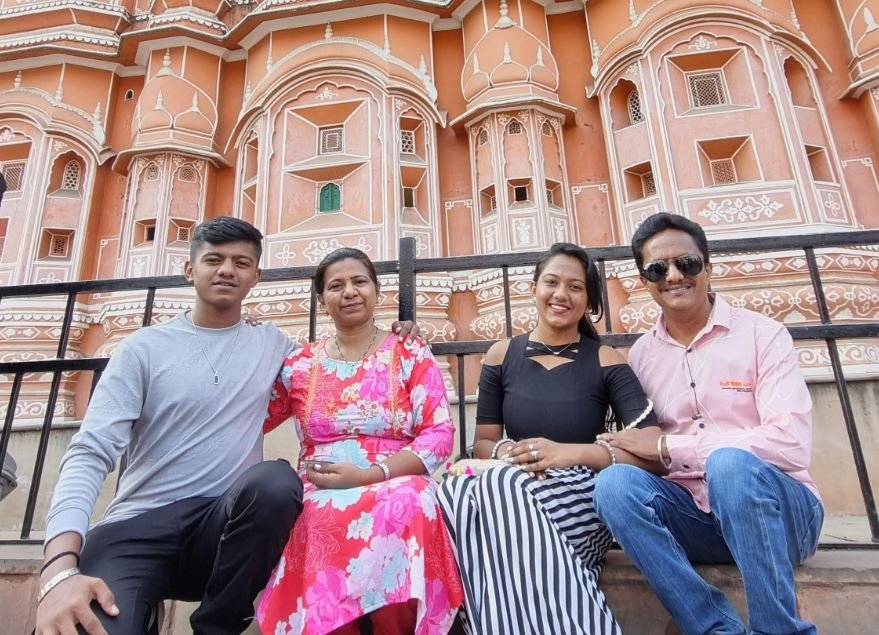
One of the most iconic chapters in the history of Jaipur is its transformation into the Pink City. In 1876, to welcome the Prince of Wales (later King Edward VII), Maharaja Sawai Ram Singh ordered the entire city to be painted pink—a color associated with hospitality.
The tradition continued, and even today, buildings in Jaipur’s old city maintain the pink hue, preserving its historic identity and charm.
Jaipur Under Rajput Rule
Jaipur flourished under successive Rajput rulers who patronized art, science, music, and architecture. The city became a center for astronomy, mathematics, and craftsmanship. Jantar Mantar, built by Sawai Jai Singh II, stands as a UNESCO World Heritage Site and showcases India’s advanced astronomical knowledge during the 18th century.
Royal palaces like City Palace, Hawa Mahal, and Amber Fort reflect a perfect blend of Mughal and Rajput styles, symbolizing power, elegance, and artistic excellence.
British Era and Modern Transformation
During British rule, Jaipur retained its semi-autonomous princely status. The rulers modernized the city by introducing railways, schools, hospitals, and administrative reforms while preserving its cultural roots.
After India’s independence in 1947, Jaipur was integrated into the Indian Union and later became the capital of Rajasthan in 1949. This marked a new era of growth, turning Jaipur into an important political, cultural, and tourism hub.
Cultural Heritage and Living History
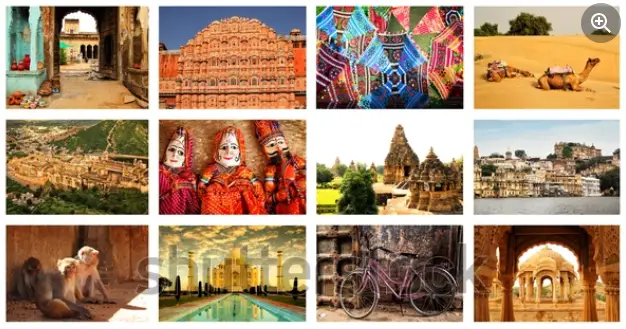
Jaipur’s history is not confined to monuments—it lives in its festivals, bazaars, crafts, and daily life. Traditional markets like Johari Bazaar and Bapu Bazaar continue age-old trading practices, while folk music, dance, and cuisine keep Rajasthani culture alive.
Today, travelers exploring Jaipur Tour Package options experience history not as a distant past but as a living story woven into every street, fort, and palace.
Jaipur Today: A City That Honors Its Past
Modern Jaipur balances heritage with progress. Luxury hotels operate within former palaces, old havelis have become cultural centers, and historic forts attract visitors from around the world. The city’s ability to preserve its roots while embracing modern tourism makes it a highlight of Rajasthan travel.
Whether you are interested in architecture, royal stories, or cultural traditions, understanding the history of Jaipur adds depth to every journey through the city.
Final Thoughts
The history of Jaipur is a tale of vision, science, culture, and timeless beauty. From its planned beginnings to its status as the Pink City of India, Jaipur stands as a symbol of India’s rich royal legacy. Exploring its past allows visitors to truly appreciate why Jaipur continues to inspire travelers, historians, and architects alike.
For anyone planning to explore Rajasthan, the story of Jaipur is the perfect starting point—where history meets heritage at every turn.