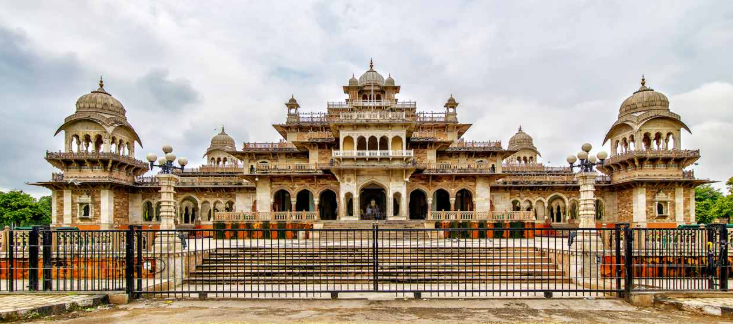
Jaipur stands as one of India’s finest planned cities, shaped by royal vision, strategic thinking, and artistic excellence. Its history blends courage, culture, and innovation, making the city far more than a collection of forts and palaces. Travelers exploring the Pink City through a Jaipur Tour Package often discover that Jaipur’s past adds depth and meaning to every monument they visit.
Foundation of Jaipur – A Planned Royal Capital
Maharaja Sawai Jai Singh II founded Jaipur in 1727 after shifting the capital from Amer. Unlike older cities that grew naturally over time, Jaipur followed a carefully designed plan. Jai Singh II worked with architect Vidyadhar Bhattacharya to create a city based on Vastu Shastra and ancient Indian town-planning principles.
As a result, Jaipur became one of the earliest planned cities in India, featuring wide streets, organized markets, and distinct residential and commercial zones.
Amer to Jaipur – A Strategic Shift
Amer served as the capital of the Kachwaha Rajputs for centuries. However, growing population, limited water resources, and defensive challenges encouraged the move. Therefore, Jai Singh II selected a site with better access to water and open plains for expansion.
Moreover, Jaipur’s location supported trade routes, which helped the city grow as a center for commerce, art, and culture.
The Kachwaha Dynasty and Rajput Valor
The Kachwaha rulers played a significant role in shaping Jaipur’s history. Known for bravery and diplomacy, they maintained strong alliances while preserving regional independence. Rajput valor, honor, and loyalty formed the foundation of governance and social life.
Meanwhile, the rulers supported art, architecture, astronomy, and literature, which strengthened Jaipur’s cultural identity.
Architectural Growth and Royal Landmarks
Jaipur’s rulers commissioned grand structures that still define the city today. The City Palace became the royal residence and administrative center. Hawa Mahal allowed royal women to observe city life while maintaining tradition and privacy. Forts like Amer Fort, Jaigarh, and Nahargarh strengthened the city’s defense.
Additionally, temples, stepwells, and gardens reflected the rulers’ respect for spirituality and nature.
Why Jaipur Is Called the Pink City
In 1876, Maharaja Sawai Ram Singh ordered the city to be painted pink to welcome Prince Albert of Britain. Pink symbolized hospitality and warmth. As a result, Jaipur gained its iconic identity, which continues to charm visitors today.
Even now, buildings in the old city maintain this distinctive color, preserving historical character and visual harmony.
Jaipur During British Rule
During British rule, Jaipur functioned as a princely state while maintaining internal autonomy. The rulers adopted modern education, infrastructure, and governance systems. Railways, schools, and public institutions developed during this period, connecting Jaipur to the rest of India.
Therefore, the city successfully balanced tradition with modernization.
Jaipur After Independence
After India gained independence in 1947, Jaipur merged into the state of Rajasthan. Since then, the city has grown into a major tourism, education, and cultural hub while protecting its historical legacy.
Today, Jaipur proudly represents Rajasthan’s heritage on a global stage.
Why Jaipur’s History Matters to Travelers
Jaipur’s history transforms travel into storytelling. Every fort, street, and market reflects centuries of planning, pride, and resilience. Understanding this past helps visitors appreciate the city beyond photographs.
Therefore, when planning your journey through Jaipur Package, choose experiences that include heritage exploration. Thoughtfully designed Jaipur Tour Packages help travelers walk through history while enjoying modern comfort.