Jaipur stands apart from other historic cities because of its thoughtfully planned design and harmonious architecture. Founded in 1727, the city reflects a rare blend of art, science, and cultural exchange. Instead of growing organically, Jaipur developed with clear structure and purpose. As a result, its buildings reveal a fascinating mix of Rajput strength, Mughal elegance, and subtle European touches. This architectural richness forms the backbone of many Jaipur Tour Package experiences promoted on the home page of JaipurPackage.com.
Rajput Architecture: Strength with Artistic Detail
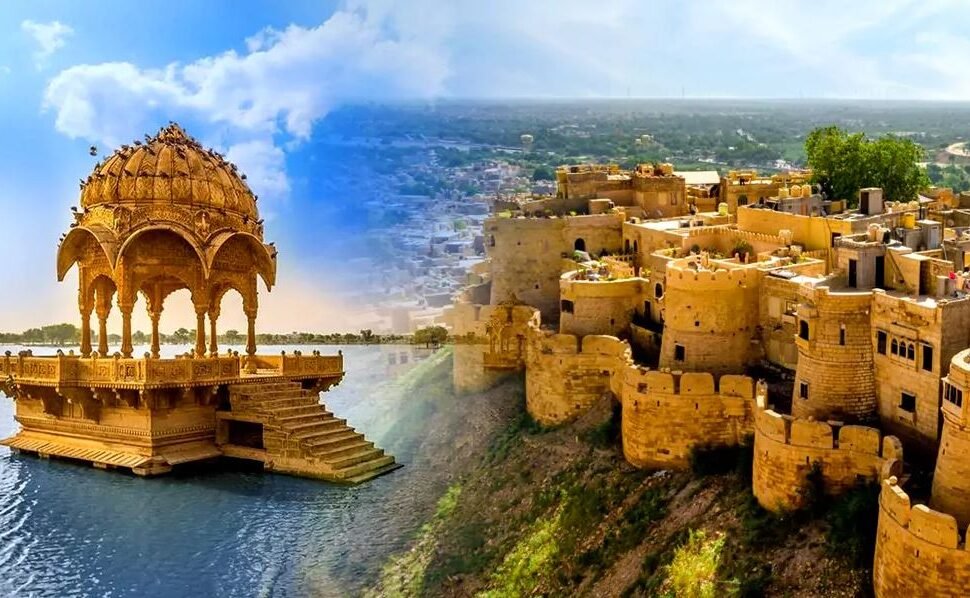
To begin with, Rajput architecture dominates Jaipur’s visual identity. Massive forts like Amber and Jaigarh showcase thick walls, high ramparts, and strategic hilltop locations. At the same time, palaces and havelis soften this strength with decorative elements. Jharokhas, chhatris, and carved balconies allowed airflow while adding beauty. Therefore, Rajput design balanced defense, comfort, and aesthetics with remarkable skill.
Mughal Influence: Elegance and Symmetry
Alongside Rajput features, Mughal influence brought refinement and symmetry to Jaipur’s architecture. Spacious courtyards, arched gateways, and detailed floral patterns appear across palaces like the City Palace. Mughal planning also emphasized gardens, water channels, and open spaces. Because of this influence, Jaipur feels grand yet graceful, a quality that visitors often admire during guided Jaipur Tours.
European Touches: Order and Urban Planning
Interestingly, Jaipur also reflects early European ideas, especially in city planning. Maharaja Sawai Jai Singh II designed Jaipur based on Vastu Shastra and mathematical principles. Straight roads, uniform blocks, and organized markets gave the city a modern feel long before its time. The grid layout still makes navigation easy today, which benefits travelers choosing Jaipur Travel Packages for smooth exploration.
The Pink City Color: Unity in Design
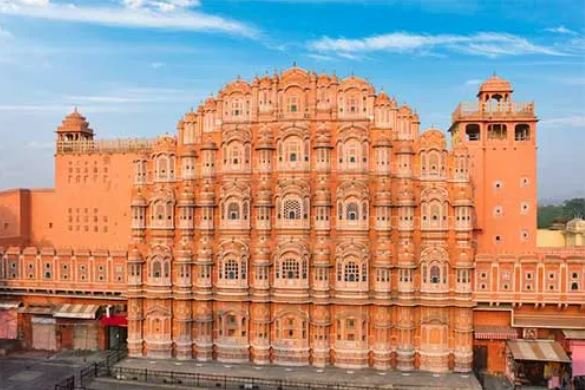
Another defining architectural feature is Jaipur’s uniform pink color. Painted to welcome a royal guest in the 19th century, the color later became a symbol of hospitality. Since then, strict guidelines have preserved this look in the Old City. As a result, Jaipur maintains a visual harmony rarely seen in historic cities, adding charm to Jaipur Holiday Packages focused on heritage walks.
Architecture That Lives and Breathes
What truly sets Jaipur apart is that its architecture still functions as part of daily life. Markets operate in centuries-old structures, families live in historic havelis, and temples remain active centers of worship. Because of this living heritage, travelers on Jaipur budget Packages experience history not as a display, but as a daily rhythm.
Why Jaipur’s Architecture Matters
Ultimately, Jaipur’s architecture tells the story of vision, adaptation, and cultural balance. It reflects how different influences blended without losing local identity. For visitors who want more than surface-level sightseeing, understanding Jaipur’s architectural language adds meaning to every walk and every view.